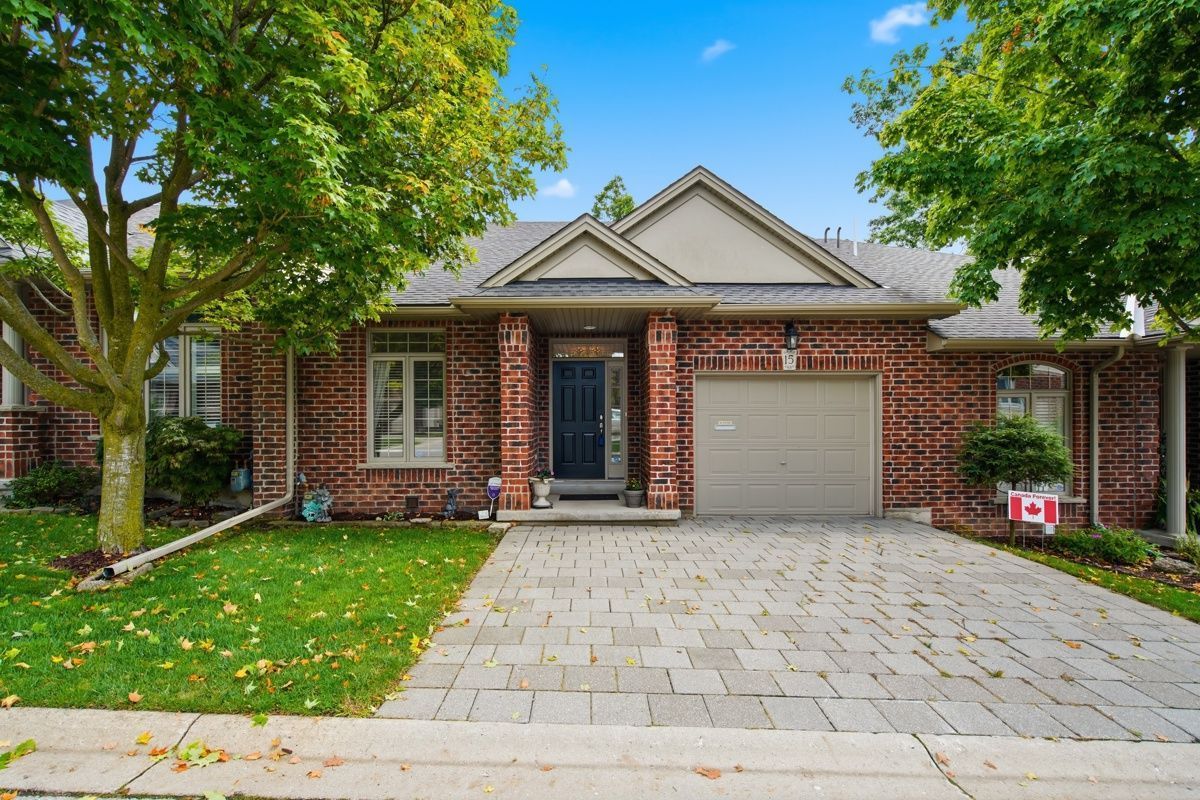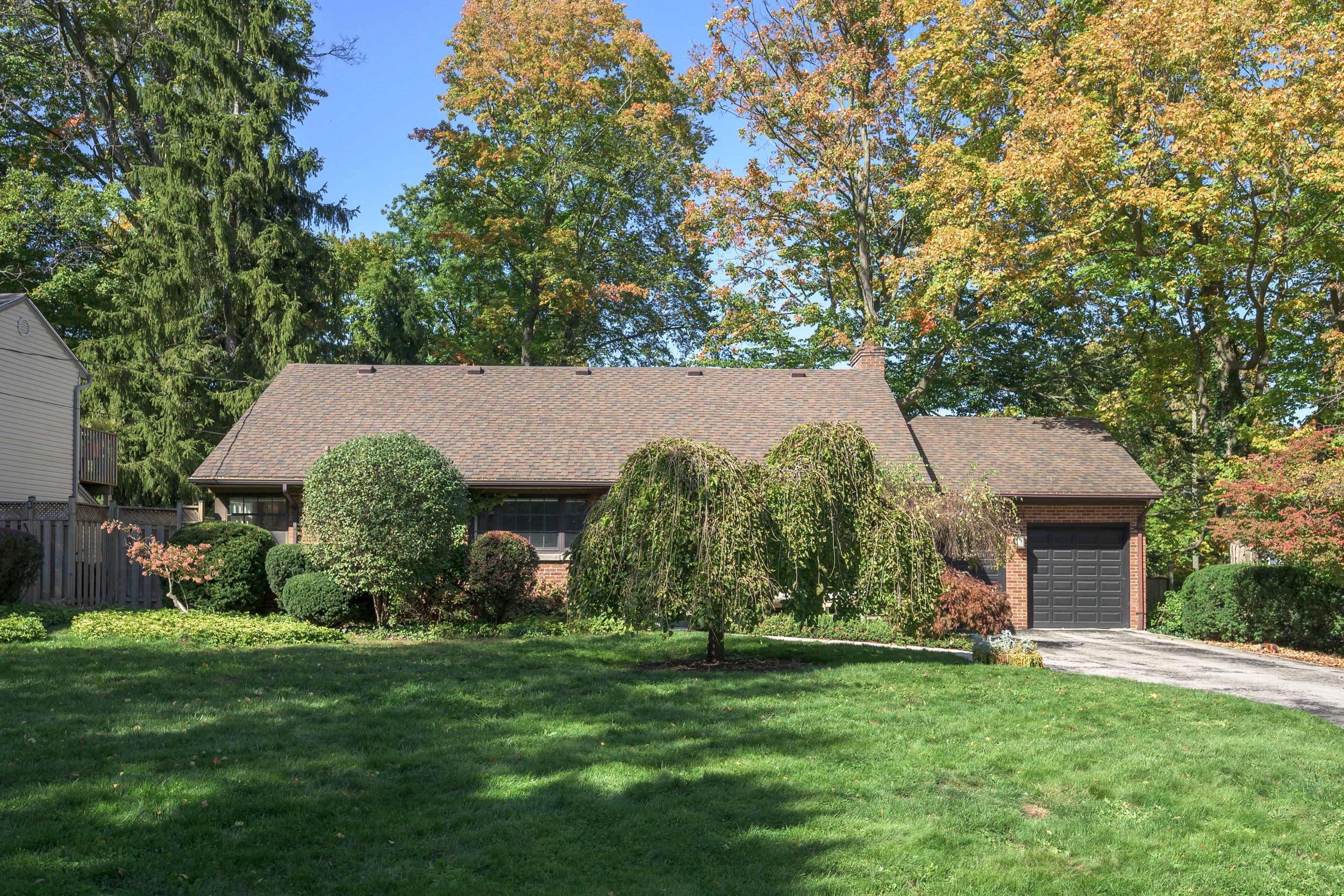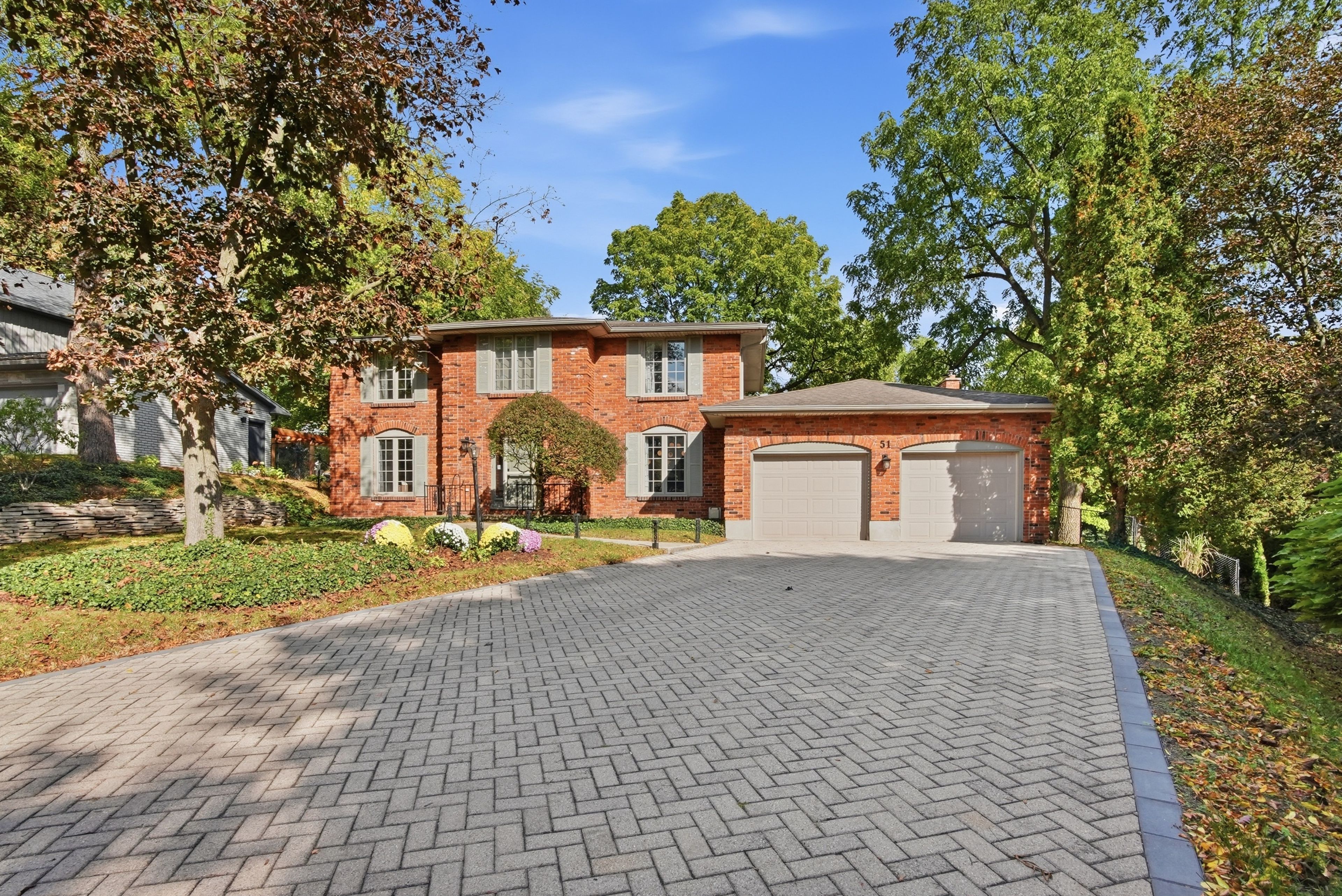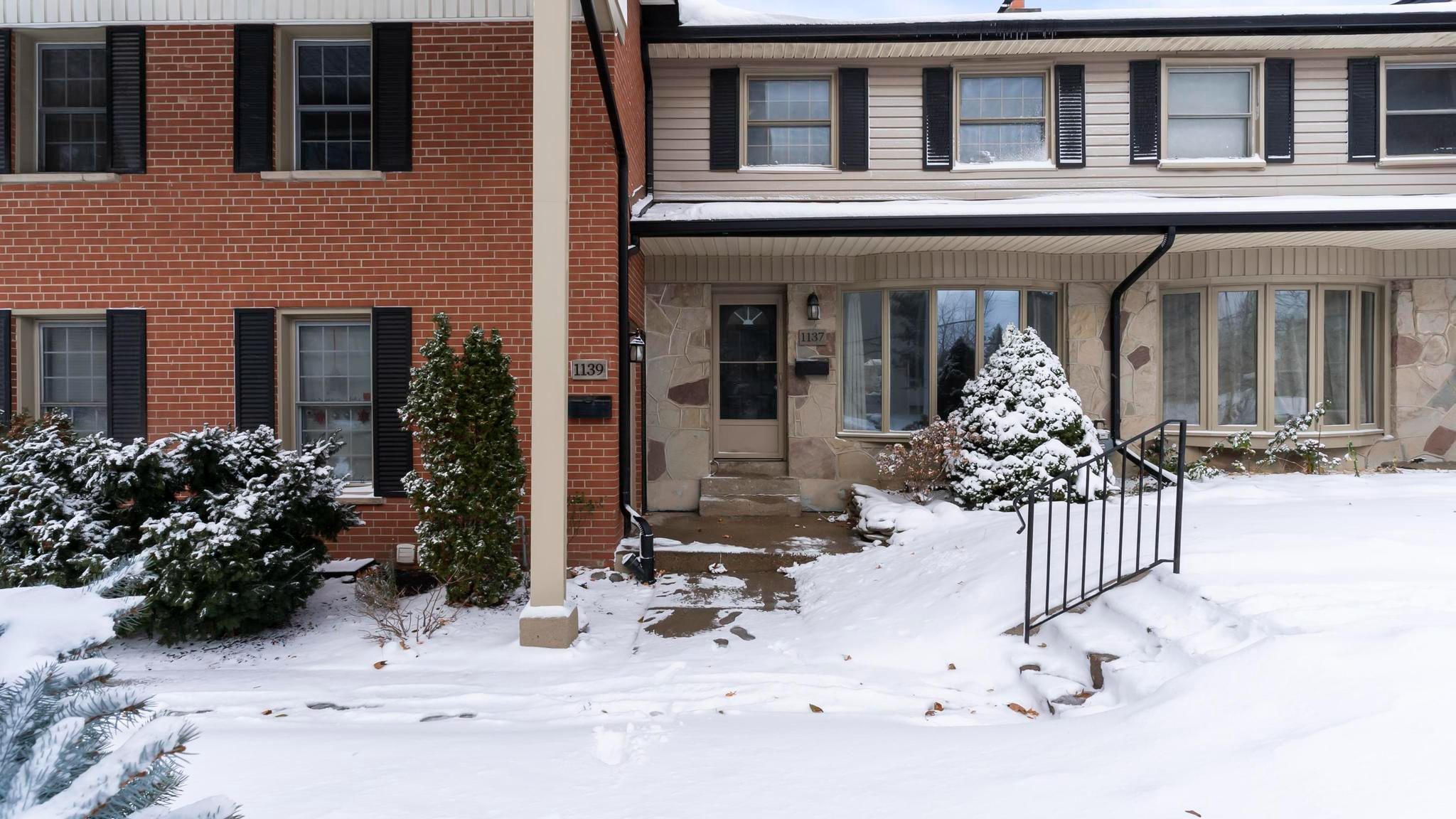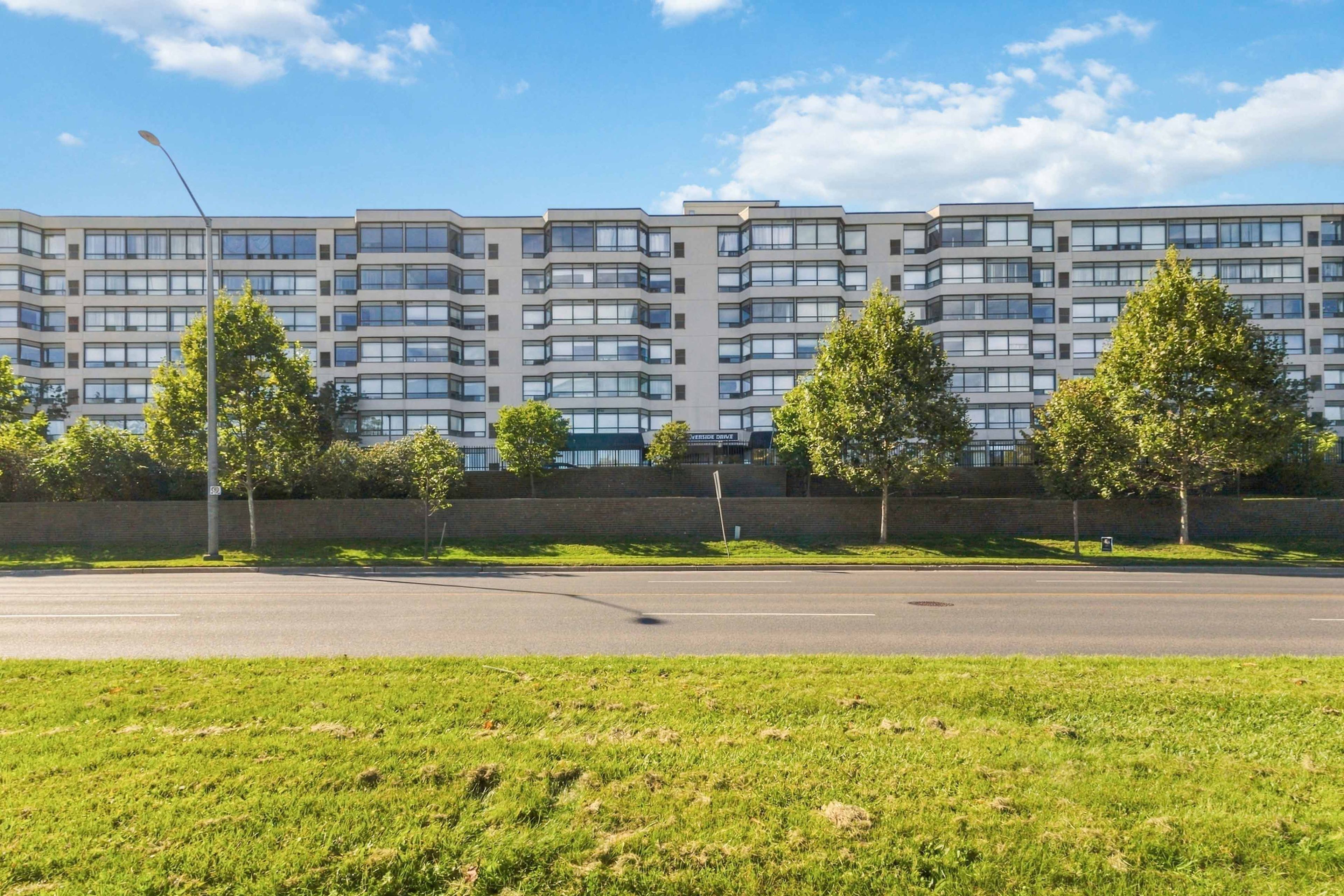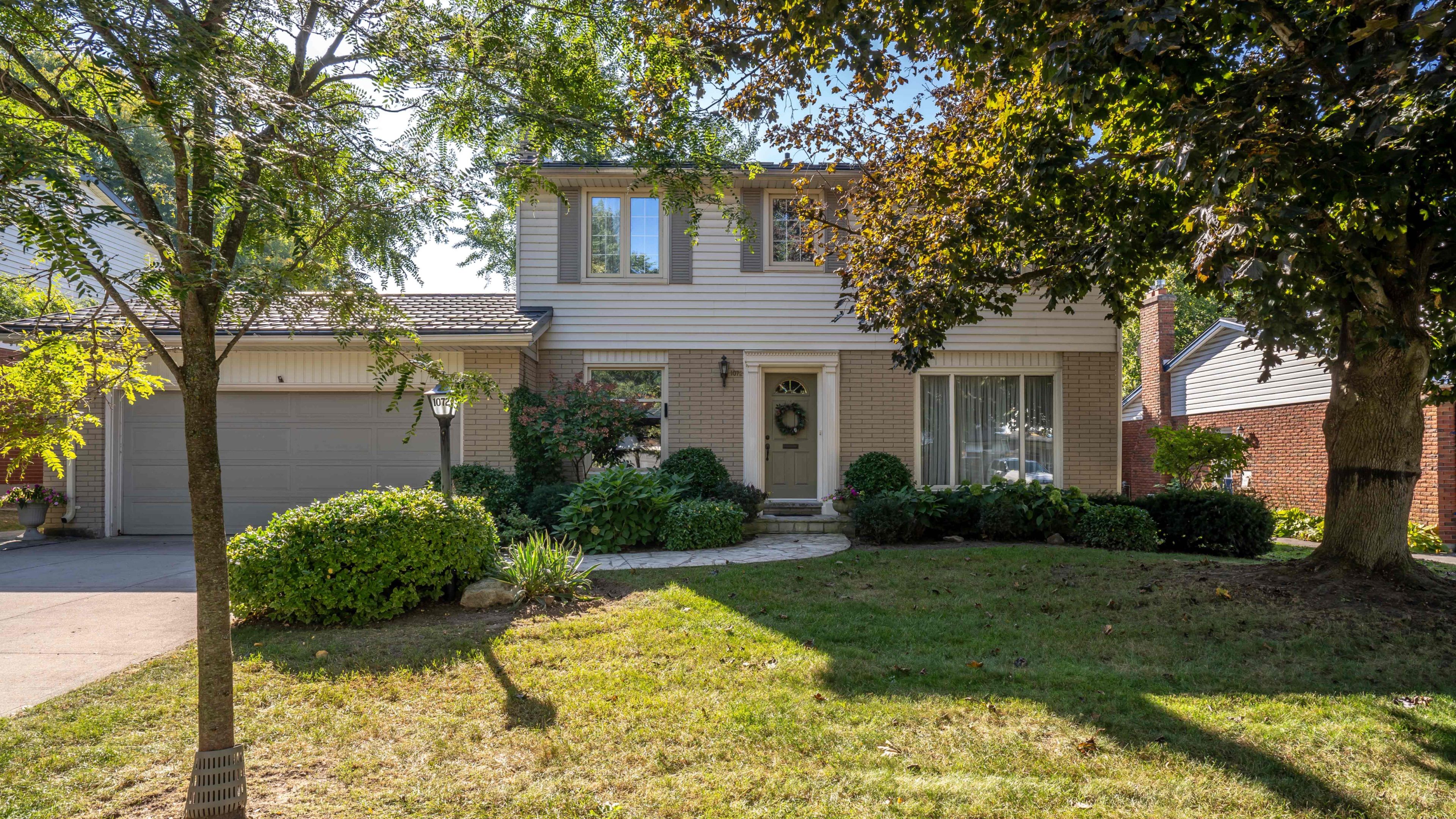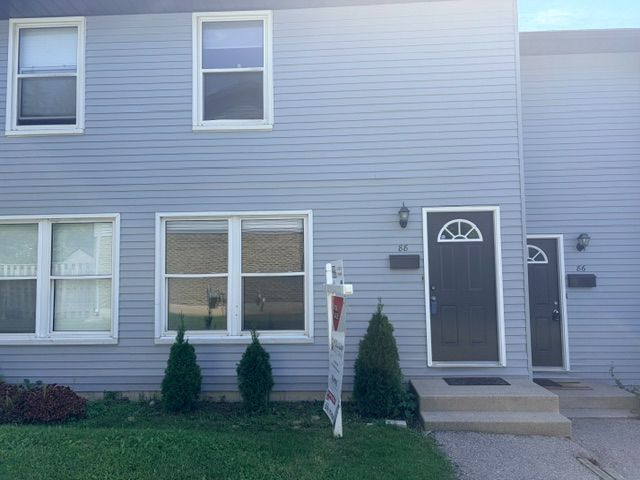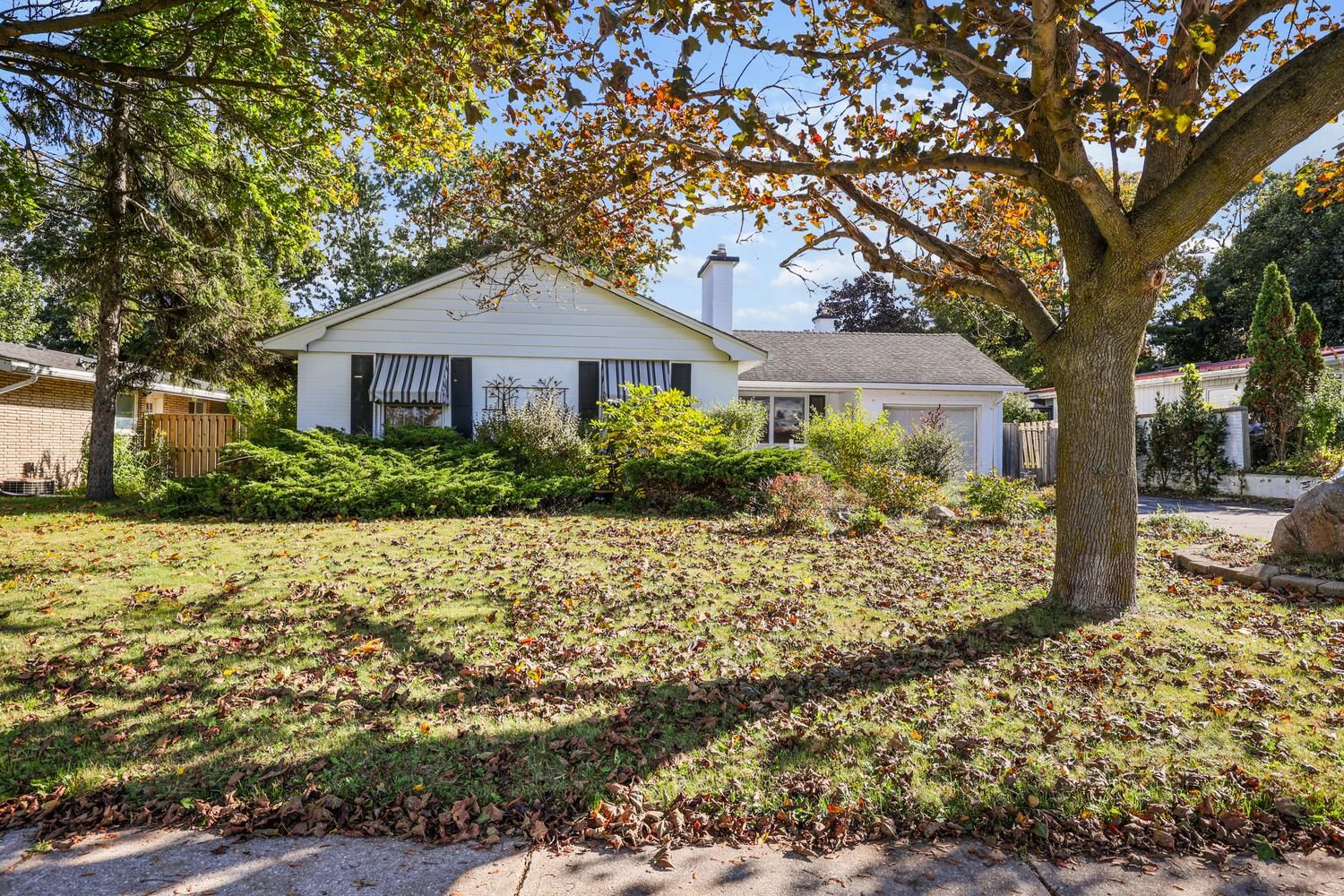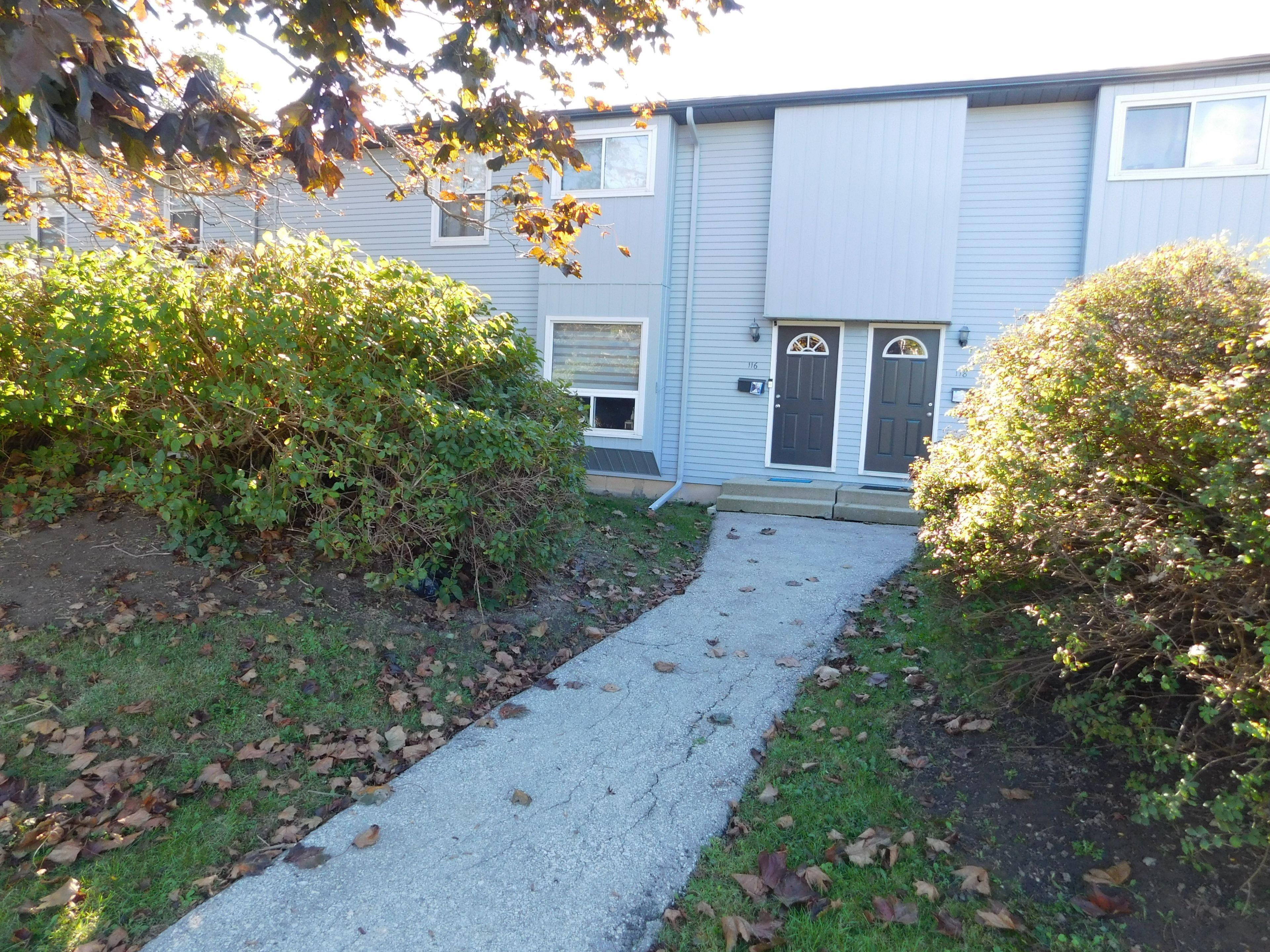
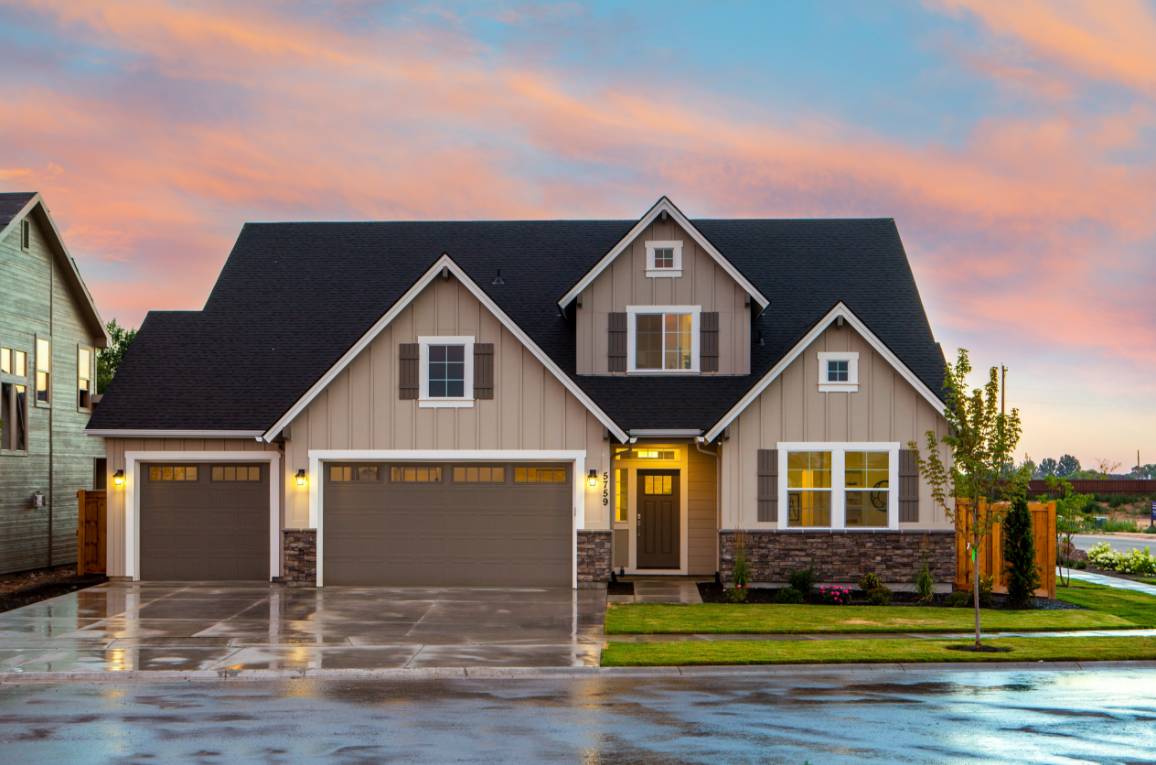
Oakridge is a well-established family neighbourhood in southwest London, Ontario, developed in the 1950s with curved streets, generous lots, and a mature tree canopy that continues to define its distinct character.
High homeownership rate, mature mid-century residential character, unique Sifton Bog nature area, excellent family parks and recreational facilities, and a deliberately planned family-first design
A deliberately planned 1950s family neighbourhood with curved streets, wide lots, mature trees, and a character that has made it one of London's most enduring and beloved residential communities.
A middle-to-upper-income community of approximately 16,670 residents with an 89 percent homeownership rate, attracting multigenerational families who put down roots and stay for decades.
Residents enjoy Oakridge Optimist Park with its outdoor pool and sports facilities, the Sifton Bog boardwalk trail, Hyde Park Woods, and multiple family parks throughout the neighbourhood.
Running right through the middle of Oakridge is the Sifton Bog, a 40-hectare Environmentally Significant Area containing a rare floating peat bog with a scenic boardwalk trail.
Oakridge features predominantly single-family detached homes on generous lots, with an average family income of approximately $125,000 reflecting the neighbourhood's stable middle-to-upper-income character.
Oakridge is close to several golf courses, and its location in southwest London puts downtown, Western University, and major shopping all within a short drive.
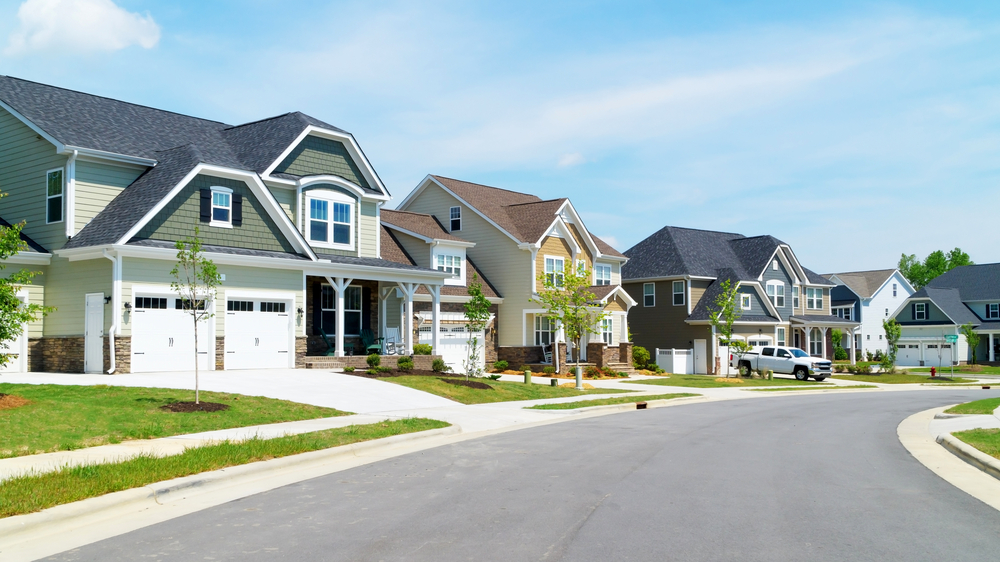
A masterfully planned mid-century neighbourhood where families have put down roots for generations.
Oakridge is one of London, Ontario's most enduring family communities, developed by Sifton Properties beginning in the 1950s with a design that prioritized space, greenery, and neighbourhood livability. Oakridge homes for sale attract buyers seeking generous lots, mature trees, and a proven community, while Oakridge homes for rent provide access to one of southwest London's most desirable and stable residential areas.

Spacious single-family homes, wide curved streets, mature trees, and an 89 percent homeownership rate.
The streets of Oakridge reflect its Irish-influenced origins, with names like Donegal, Dunedin, and Kildare lining a neighbourhood of well-maintained 1950s and 1960s era homes on generous lots. Curved streets and cul-de-sacs eliminate through traffic and create a safe, quiet environment that has made Oakridge a top choice for families with children for over 70 years.
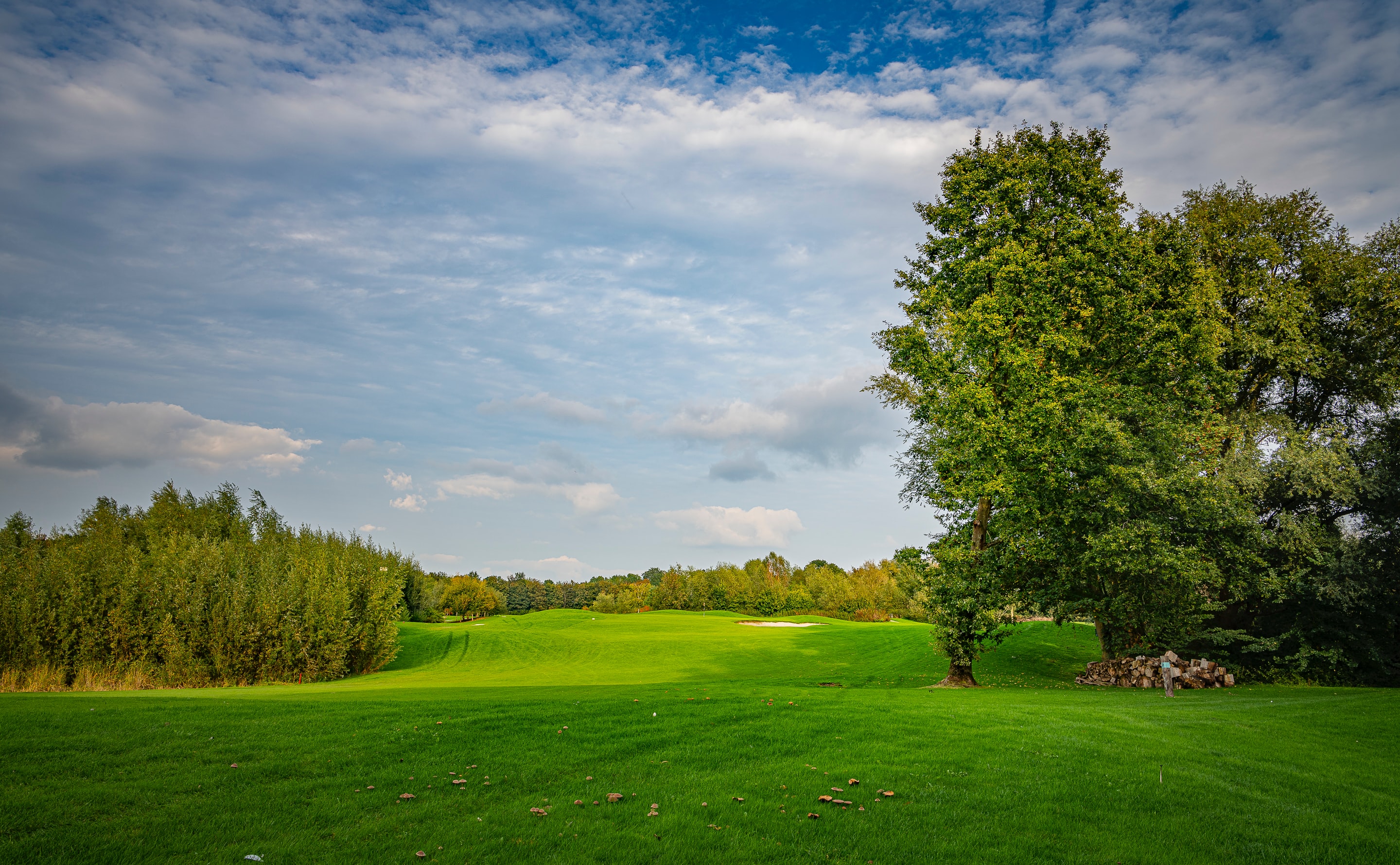
Outstanding parks, a unique bog boardwalk, outdoor pools, and a safe, spacious suburban environment.
Oakridge Optimist Park anchors the neighbourhood's recreational life with an outdoor pool, spray pad, baseball diamond, and tennis courts. Hyde Park Woods and Hazelden Park add further green space, while the Sifton Bog boardwalk offers a one-of-a-kind nature experience right within the neighbourhood. The area south of Oxford Street in particular retains a timeless, peaceful quality beloved by long-term residents.
Unexpected Appeal:
A rare floating peat bog runs right through the middle of Oakridge, making it one of London's most ecologically unique neighbourhoods.
A stable, high-ownership market with consistent demand from families seeking space, quality, and community.
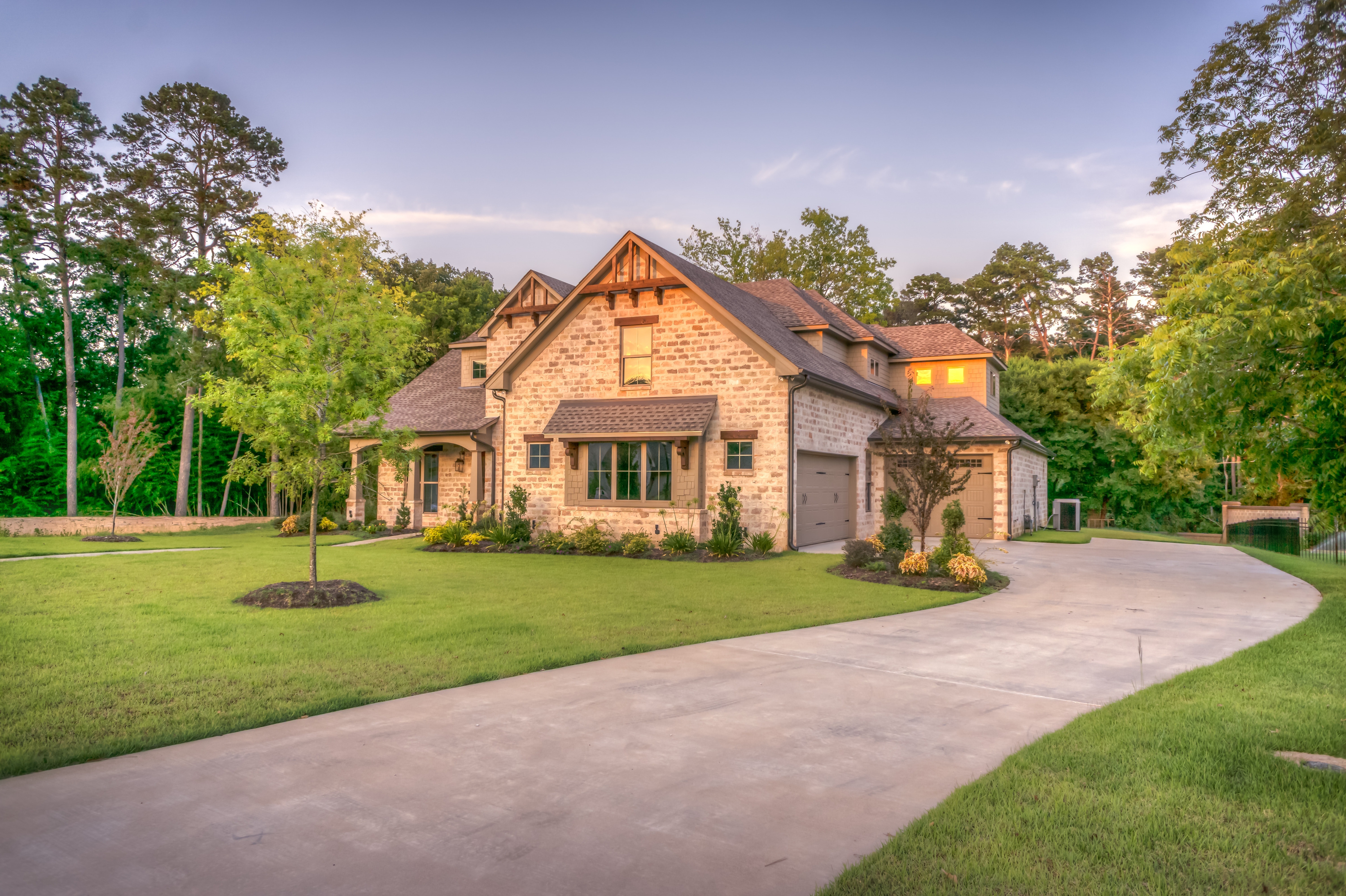
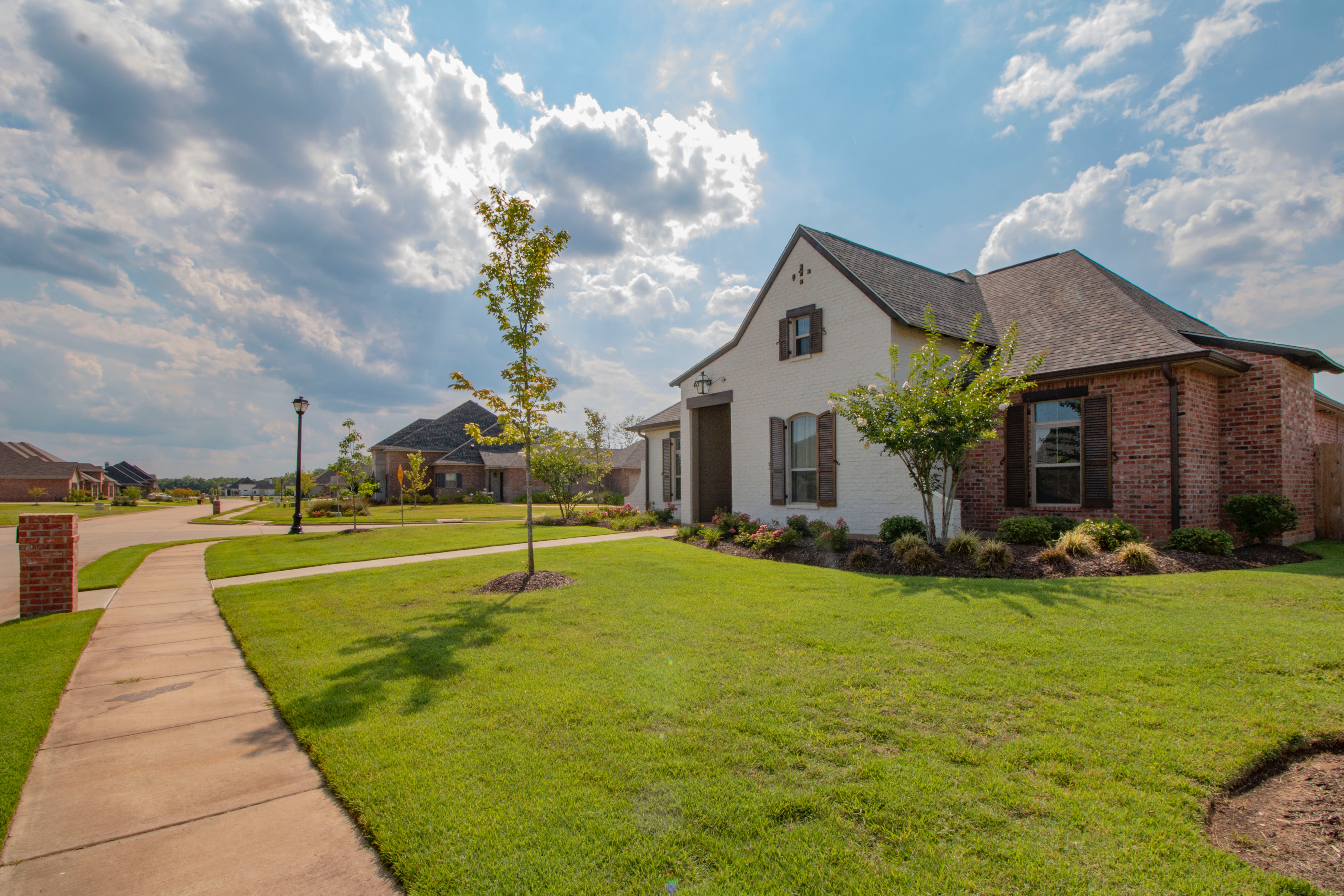
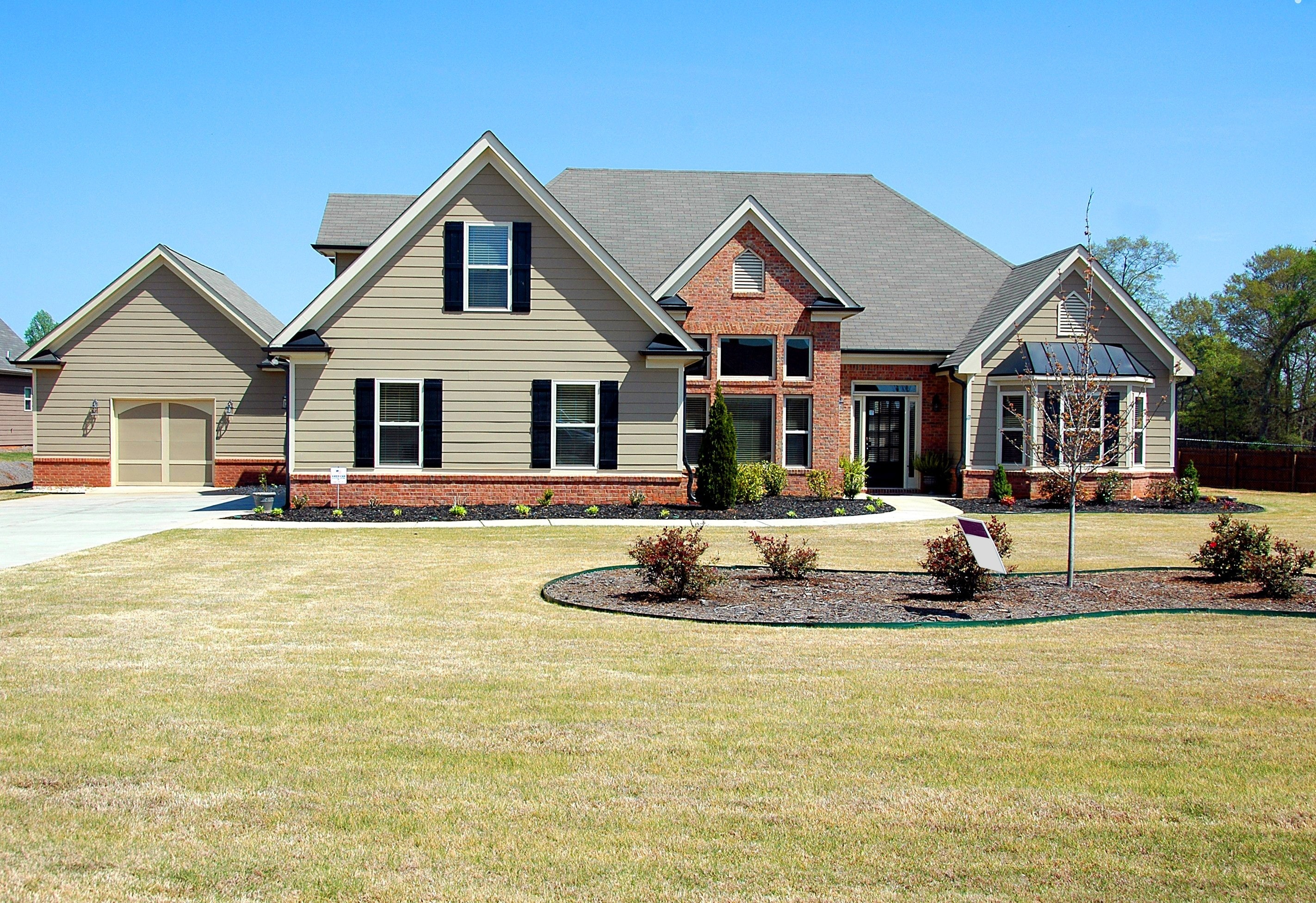
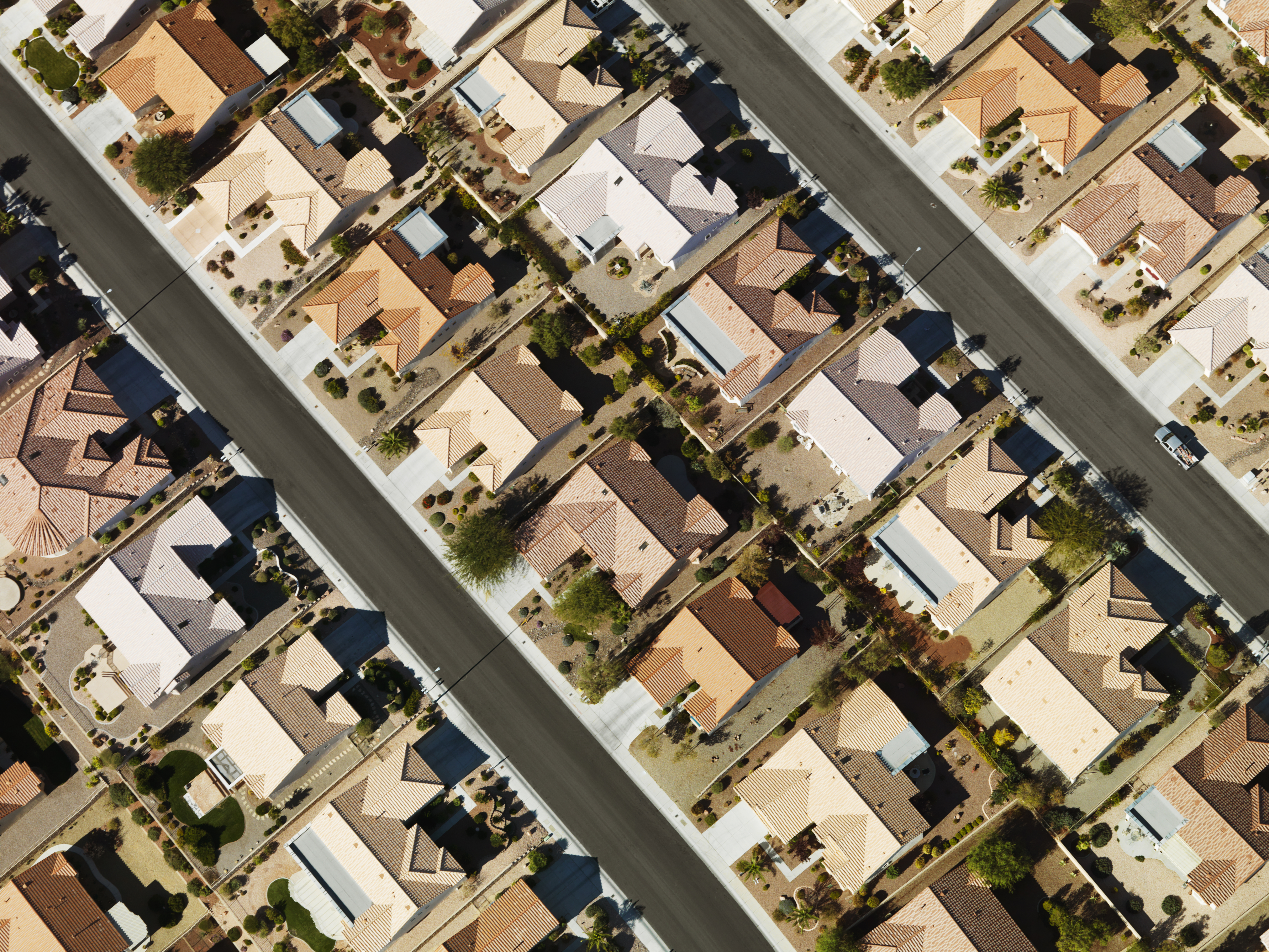
Oakridge is primarily composed of single-family detached homes on large lots, with an average family income of approximately $125,000. Properties here hold their value well, supported by strong and consistent demand from families who recognize the neighbourhood's exceptional combination of space, nature, and community character.
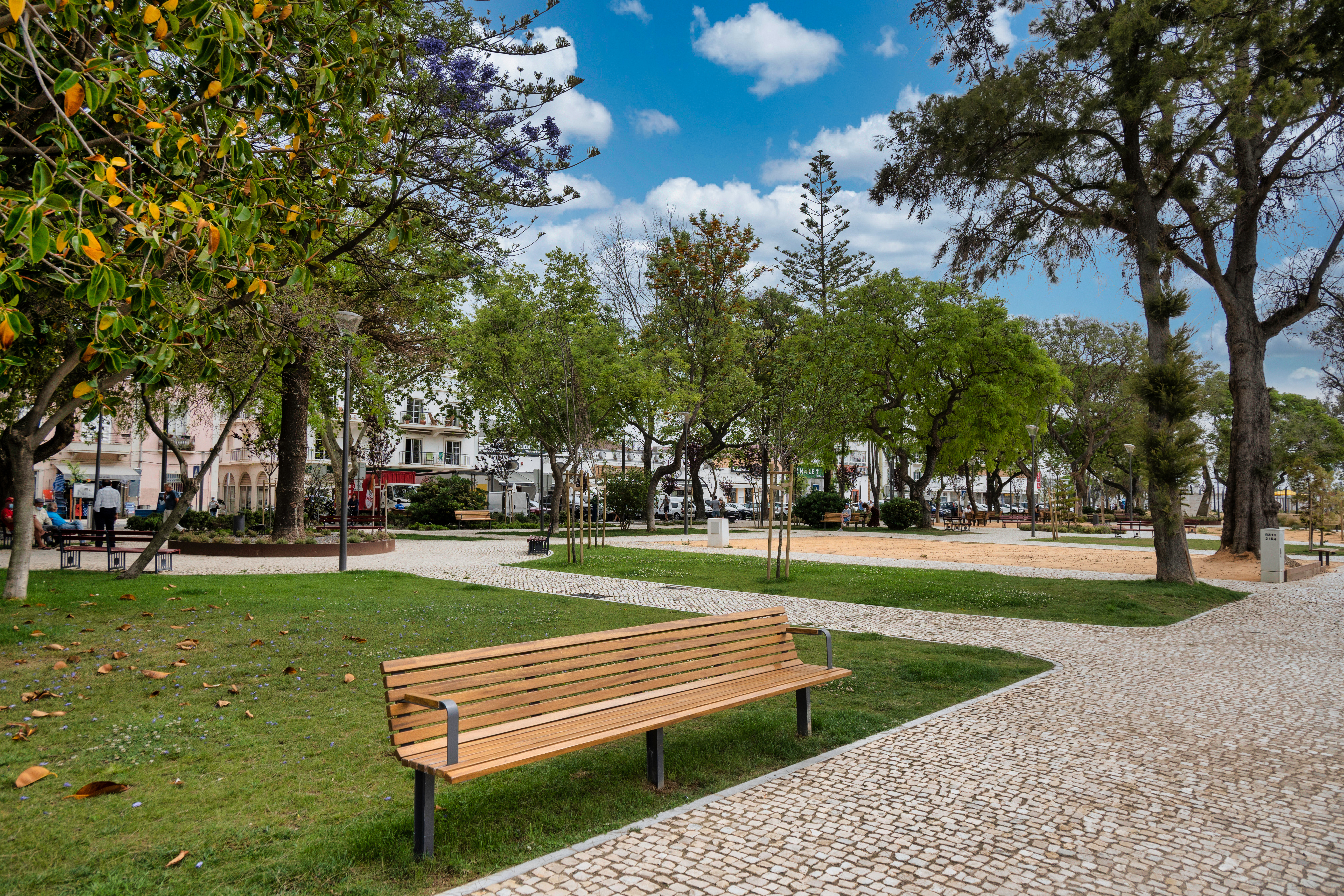
The Sifton Bog, the Optimist Park pool, the tree canopy, and a community where generations of families have chosen to stay.
Oakridge is the kind of neighbourhood where people arrive as young families and return decades later with their grandchildren. Its combination of excellent parks, unique natural features, spacious homes, golf course proximity, and easy access to downtown London and Western University make it one of the most complete residential communities in the city.